
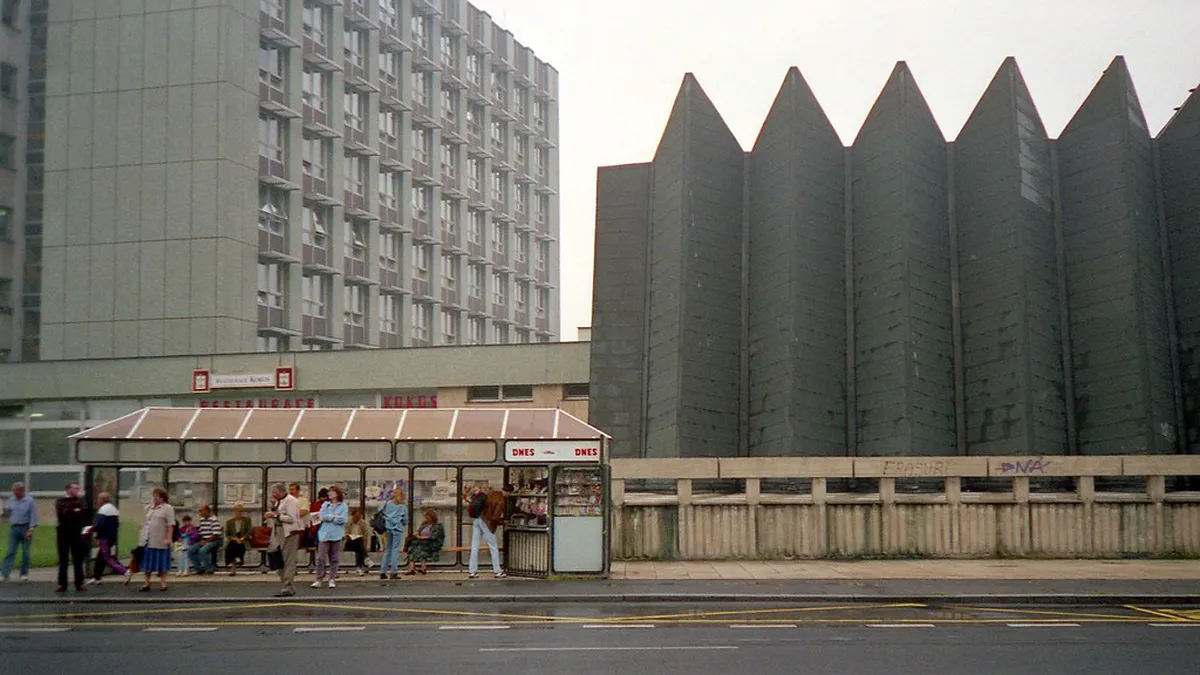
A Guide to the Best Brutalist Architecture in Prague
Prague is famous for its Gothic spires and Baroque palaces. However, there is another side to the city. The raw beauty of brutalist architecture in Prague offers a unique look at history. These concrete giants rose during the socialist era. They reflect a time of bold experimentation and political change. Many visitors overlook these structures, but they are essential to the city's identity. This guide explores the most striking concrete landmarks you must see in 2026. For more unique ideas, check out our alternative guide to Prague.
The Rise of Brutalist Architecture in Prague
Brutalist architecture in Prague emerged mainly between the 1960s and 1980s. The term comes from the French word for raw concrete, "béton brut." Architects wanted to create functional, honest buildings. They used heavy materials like concrete, steel, and glass. You can learn more about the global movement on brutalist architecture (Wikipedia).
In the Czech Republic, these buildings were often state-funded projects. They represented the power and modernity of the socialist regime. Because of this, many locals have mixed feelings about them. Some see them as symbols of oppression. Others appreciate their artistic and structural innovation. Today, these buildings are gaining new respect among younger generations.
Prague's brutalism is distinct because it often blends with other styles. You might see elements of high-tech or cosmic modernism. This variety makes an architectural tour very exciting. Many of these sites are considered hidden gems in Prague that tourists often miss. Prepare to see the city from a completely different perspective.
10 Must-See Brutalist Architecture in Prague
Here are the top picks for fans of raw concrete and bold design. These sites are spread across different districts. Each offers a unique story about the city's past. Check the Prague.eu portal for any temporary closures or special events.
- Quick Picks:
- Best overall: Kotva Department Store
- Best for views: Žižkov Television Tower
- Best for art lovers: New Stage of the National Theatre
- Best free experience: Metro Line A Stations
- Name: Kotva Department Store Type: sight Why go: It is one of the most famous examples of brutalism. Its hexagonal floor plan looks like a honeycomb from above. Best for: Design enthusiasts and shoppers. Where: Republic Square (Náměstí Republiky). Time: 45 minutes. Cost: Free to enter. Getting there: Metro Line B to Náměstí Republiky. Tip: Visit the rooftop terrace for a great view of the Old Town.
- Name: New Stage (Nová scéna) Type: experience Why go: This building is covered in over 4,000 hand-blown glass bricks. It sits right next to the historic National Theatre. Best for: Art lovers and photographers. Where: Národní street. Time: 30 minutes. Cost: Free to view outside; ticket prices vary for shows. Getting there: Tram 9, 18, or 22 to Národní divadlo. Tip: The glass looks most beautiful at sunset when the light hits the texture.
- Name: Žižkov Television Tower Type: viewpoint Why go: It is the tallest structure in Prague. It features giant crawling babies by artist David Černý. Best for: Panoramic city views. Where: Žižkov district. Time: 1-2 hours. Cost: ~300 CZK for the observation deck. Getting there: Metro Line A to Jiřího z Poděbrad. Tip: Check out our David Černý sculptures map to find more of his work nearby.
- Name: Federal Assembly Building Type: sight Why go: This massive structure seems to float above an older building. It was once the seat of the communist parliament. Best for: History buffs. Where: Near Wenceslas Square. Time: 1 hour. Cost: Entry fees depend on current exhibitions. Getting there: Walk from Muzeum metro station. Tip: It is now part of the National Gallery Prague or National Museum network; check current exhibits.
- Name: Hotel Pyramida Type: sight Why go: This hotel has a striking triangular shape. It is a classic example of late socialist architecture. Best for: Fans of geometric shapes. Where: Břevnov. Time: 20 minutes (outside). Cost: Free to view. Getting there: Tram 22 or 25 to Malovanka. Tip: It is located in one of the coolest neighborhoods in Prague for a quiet walk.
- Name: Komerční banka (Smíchov) Type: sight Why go: Designed by Karel Prager, this octagonal building is nicknamed "The Bunker." It is very imposing and raw. Best for: Hardcore brutalist fans. Where: Smíchov. Time: 15 minutes. Cost: Free to view outside. Getting there: Metro Line B to Anděl. Tip: Combine this with a visit to the nearby Staropramen Brewery.
- Name: InterContinental Hotel (Fairmont) Type: sight Why go: A massive concrete block on the edge of the Jewish Quarter. It represents the luxury of the socialist elite. Best for: Seeing the contrast between old and new. Where: Pařížská street. Time: 20 minutes. Cost: Free to view outside. Getting there: Metro Line A to Staroměstská. Tip: The area is great for luxury window shopping.
- Name: Metro Line A Stations Type: experience Why go: The stations use concave and convex aluminum tiles. They look like something from a sci-fi movie. Best for: Budget travelers. Where: Between Můstek and Dejvická. Time: 30 minutes. Cost: Price of a metro ticket (~30-40 CZK). Getting there: Enter any Line A station. Tip: Staroměstská is often considered the most photogenic station.
- Name: Strahov Stadium Type: day trip Why go: It is one of the largest stadiums in the world. It was used for massive gymnastic displays called Spartakiads. Best for: Scale and atmosphere. Where: Strahov hill. Time: 2 hours. Cost: Free to walk around the exterior. Getting there: Bus 143 or 149 from Dejvická. Tip: This area is near some of the city's nuclear bunkers in Prague.
- Name: Hotel Olympic Type: sight Why go: A tall, slender concrete tower built for a planned Olympics that never happened. It dominates the skyline of the Invalidovna area. Best for: Urban explorers. Where: Karlín/Invalidovna. Time: 15 minutes. Cost: Free to view. Getting there: Metro Line B to Invalidovna. Tip: Explore the nearby unusual museums in Prague after your visit.
Tips for Exploring Prague Brutalism
Exploring brutalist architecture in Prague requires some planning. Many of these buildings are outside the main tourist center. Use the Prague public transport system, which is excellent and cheap. You can buy a 24-hour pass for easy travel between districts. Most sites are easily accessible by tram or metro.
For the best photos, visit during the "blue hour." The cold concrete looks striking against a deep blue sky. Early morning is also good to avoid crowds near the central sites. Some buildings are still used as offices or hotels. Always be respectful if you enter the lobbies or take photos of the interiors.
Remember that some locals may not share your enthusiasm. For many, these buildings are reminders of a difficult political era. Be mindful when discussing the history in public spaces. However, don't let that stop you from enjoying the bold shapes and unique textures. This style is a vital part of the city's complex history.
Frequently Asked Questions
What is the most famous brutalist building in Prague?
The Kotva Department Store is likely the most famous. Its unique hexagonal design and central location make it a landmark. It was designed by Věra and Vladimír Machonin. It remains a popular shopping destination today while preserving its iconic 1970s exterior and structural style.
Are brutalist buildings in Prague being demolished?
Some have been demolished, such as the Transgas complex. This has caused significant debate among architects and historians. Many remaining buildings are now protected as cultural monuments. However, the fate of others remains uncertain. This makes seeing them in 2026 a priority for fans of the style.
Who was the most famous brutalist architect in Prague?
Karel Prager is the most prominent name. He designed the New Stage of the National Theatre and the Federal Assembly. His work is known for its technical innovation and bold, futuristic shapes. He had a massive impact on the look of modern Prague during the socialist years.
Brutalist architecture in Prague offers a fascinating journey through time. These buildings provide a sharp contrast to the city's medieval charm. Whether you love the raw concrete or the bold history, these sites are worth a visit. Start your tour at Kotva and work your way out to the Žižkov Tower. For more offbeat travel tips, explore our hidden gems in Prague guide. Enjoy your architectural adventure in the heart of Europe!
Official resources
Use these sources for official schedules, tickets, routes, and updates.
- Prague.eu — Official city tourism portal; unverified.
- Praha.eu — Official municipal government portal; unverified.
- Visit Czechia — National tourism board; unverified.
- UNESCO World Heritage Centre — Official UNESCO heritage listing; unverified.
- Prague Castle — Official landmark domain; unverified.
- National Museum — Major national museum; unverified.