
Exploring the Dark History of the Spilberk Prison Casemates
Spilberk Castle dominates the skyline of Brno. It is a symbol of strength and dark history. Many visitors come to explore the deep tunnels under the fortress. The history of the Spilberk prison casemates reveals a story of suffering and survival. These stone corridors once held the most dangerous criminals in Europe. Today, they offer a chilling look into the past for curious travelers. This Spilberk Castle visiting guide will help you navigate this legendary site.
The Origins of the Spilberk Fortress
The casemates were not originally built as a prison. In 1742, military engineers designed them as a shelter for soldiers. These thick walls could withstand heavy artillery fire. They provided safety during the many sieges of Brno. You can learn more about the city's defenses in our Brno city guide. The fortress was a masterpiece of Baroque military architecture.
By the late 18th century, the military role changed. Emperor Joseph II decided to turn the fortress into a high-security prison. He wanted a place for the worst offenders in the Austrian Empire. The dark, damp tunnels were perfect for this purpose. The official Go To Brno portal offers more context on this transformation. The casemates soon became the most feared jail in Central Europe.
10 Facts About the History of the Spilberk Prison Casemates
Before you enter the tunnels, review these essential historical highlights. Each item represents a unique chapter in the castle's long life. These picks are perfect for planning your route through the complex.
- Best overall: Baron Trenck’s Final Cell
- Best for history buffs: The Prison of Nations Exhibit
- Best for families: The Fortress Moat Walk
- Best free activity: Castle Hill Park Trails
- Name: The Baroque Casemates Type: Sight Why go: This is the original 1742 military structure. It shows the sheer scale of the stone tunnels. Best for: Architecture lovers. Where: Eastern and southern wings. Time: 30 minutes. Cost: Included in casemate ticket. Tip: Wear a jacket as it is cold underground even in summer.
- Name: The Prison of Nations Type: Experience Why go: Spilberk earned this name because it held revolutionaries from across Europe. It was a place of international political struggle. Best for: Political history fans. Where: Main casemate corridor. Time: 20 minutes. Cost: Standard entry. Tip: Read the plaques to see the diverse nationalities of former inmates.
- Name: Baron Trenck’s Final Cell Type: Sight Why go: Baron Trenck was a famous and controversial military leader. He spent his final days in these very walls. Best for: Biography enthusiasts. Where: Lower casemates. Time: 15 minutes. Cost: Standard entry. Tip: Look for the legendary stories of his capture and imprisonment.
- Name: The Wooden Cages Type: Experience Why go: These were the most brutal cells in the prison. Prisoners were chained to the walls in total darkness. Best for: Dark tourism fans. Where: Deepest part of the tunnels. Time: 10 minutes. Cost: Standard entry. Tip: This section is very atmospheric and can be unsettling.
- Name: The Gestapo Wing Type: Sight Why go: During WWII, the Nazis used Spilberk to hold Czech patriots. It serves as a somber reminder of modern history. Best for: WWII history buffs. Where: Upper castle sections. Time: 30 minutes. Cost: Included in history tour. Tip: Visit the memorial plaques nearby to honor those who suffered here.
- Name: The Torture Chamber Exhibit Type: Museum Why go: This area features replicas of historical torture devices. It explains the harsh justice systems of the past. Best for: Curious travelers. Where: Northern casemate section. Time: 20 minutes. Cost: Standard entry. Tip: Some displays are graphic, so use caution with young children.
- Name: The Southern Bastion Viewpoint Type: Viewpoint Why go: After the dark tunnels, this spot offers stunning views of Brno. It provides a great contrast to the prison history. Best for: Photographers. Where: Castle exterior walls. Time: 15 minutes. Cost: Free. Tip: Visit at sunset for the best lighting over the city.
- Name: The Casemate Kitchen Type: Sight Why go: This room shows how food was prepared for hundreds of prisoners. It gives a glimpse into daily survival. Best for: Social history fans. Where: Central casemate hub. Time: 10 minutes. Cost: Standard entry. Tip: Notice the large ovens built directly into the stone.
- Name: The Italian Carbonari Memorial Type: Sight Why go: Italian revolutionaries were held here in the 19th century. This site is a point of pride for Italian-Czech relations. Best for: European history fans. Where: Near the main entrance. Time: 10 minutes. Cost: Free. Tip: This is a great spot to start your tour.
- Name: The Fortress Moat Walk Type: Experience Why go: Walking the dry moat allows you to see the massive scale of the walls. You can see the castle from a unique perspective. Best for: Nature and walk lovers. Where: Around the castle perimeter. Time: 40 minutes. Cost: Free. Tip: Check out the Visit Czechia site for seasonal events held in the moat.
Practical Tips for Visiting the Casemates
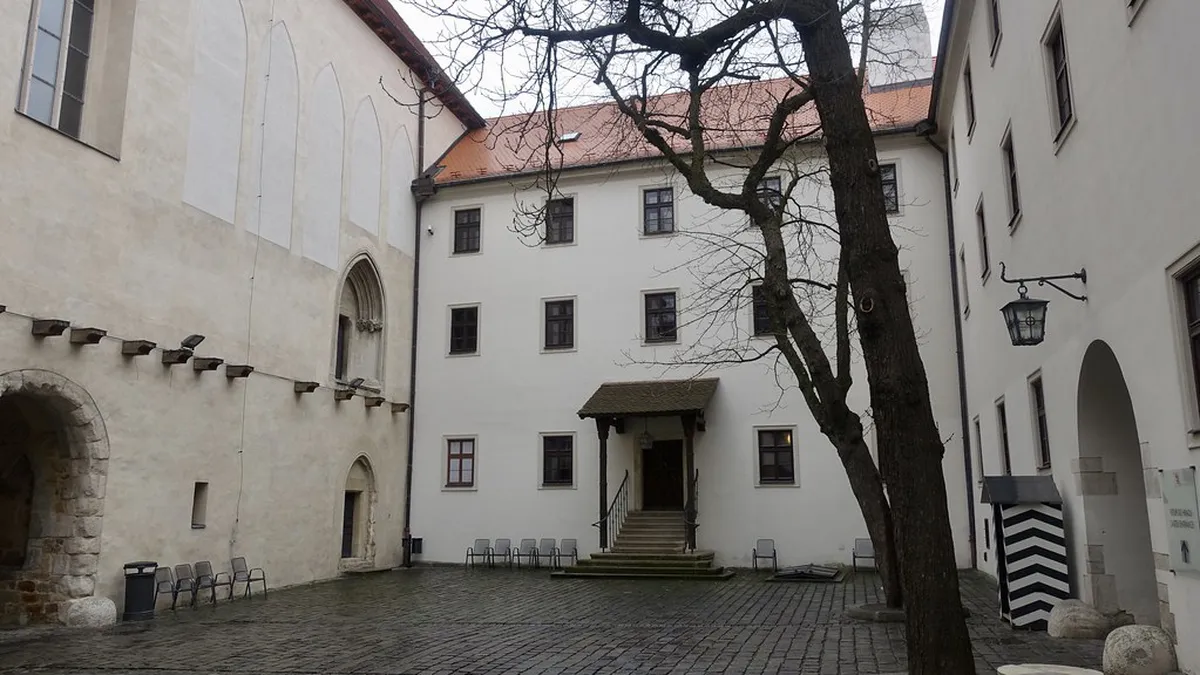
Visiting the casemates requires some planning. You should check the opening hours and ticket prices before you go. The tunnels are open year-round, but winter hours are shorter. Tickets are usually sold at the main castle courtyard. Expect to spend at least two hours for a full visit.
The tunnels are not fully accessible for everyone. There are many steep stairs and uneven floors. Wear sturdy shoes to avoid slipping on the damp stone. The temperature inside stays around 10 to 15 degrees Celsius. Even on a hot day, you will need an extra layer of clothing. Photography is allowed but avoid using a flash in the darker cells.
Frequently Asked Questions
What is the history of the Spilberk prison casemates?
The history of the Spilberk prison casemates began in 1742 as a military fortification. By 1783, Emperor Joseph II converted them into a high-security prison. It became famous as the 'Prison of Nations' for holding political prisoners from across Europe until its closure in 1855.
Who was the most famous prisoner at Spilberk?
Baron Trenck is the most famous prisoner held in the casemates. He was a daring military leader who died in the prison in 1749. His life and death remain a central part of the castle's legends and museum exhibits today.
Can you visit the Spilberk casemates without a guide?
Yes, you can explore the casemates with a self-guided ticket. The route is clearly marked with informational signs in multiple languages. However, guided tours are often available for those who want deeper historical insights into the prison's dark past.
The history of the Spilberk prison casemates is a vital part of Brno's identity. From military defense to a notorious jail, these tunnels have seen centuries of change. Visiting today offers a powerful lesson in European history. Make sure to check out other top things to do in Brno after your castle tour. Enjoy your journey into the depths of Moravia's most famous fortress.
Official resources
Use these sources for official schedules, tickets, routes, and updates.
- Go To Brno — Official tourism portal; unverified source.
- City of Brno — Official municipal portal; unverified source.
- UNESCO World Heritage - Villa Tugendhat — International heritage designation; unverified source.
- Lonely Planet Brno — Major editorial travel guide; unverified source.
- Visit Czechia — National tourism board; unverified source.